Portable Restrooms Support Environmentally Friendly Waste Disposal
Posted by on 2024-10-14
The Role of Portable Restrooms in Waste Management
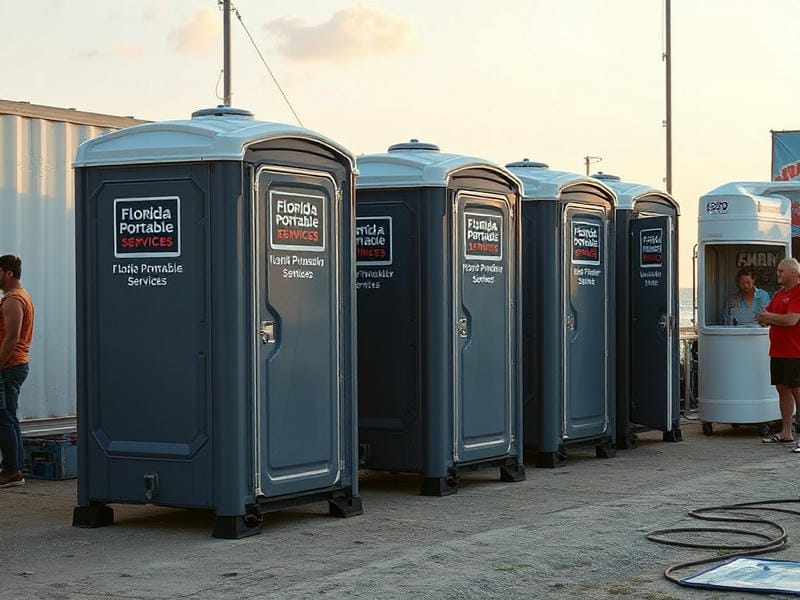
Portable restrooms, often seen as a simple convenience at outdoor events or construction sites, play a surprisingly significant role in environmentally friendly waste management. These mobile facilities are more than just a temporary solution for sanitation; they are an integral part of sustainable practices aimed at minimizing environmental impact and promoting responsible waste disposal.
At the heart of their contribution to eco-friendly waste management is their design and functionality. Portable restrooms are self-contained units that do not require connection to sewage systems. Instead, they employ holding tanks to contain waste until it can be appropriately processed. This system significantly reduces the risk of groundwater contamination, which can occur with traditional on-ground restroom solutions when sewage infrastructure is inadequate or absent.
Moreover, modern portable restrooms have evolved to include features that further support sustainable practices. Many models now come equipped with water-saving flush mechanisms, non-toxic deodorizers, and even solar-powered ventilation systems. These innovations not only enhance user comfort but also reduce the overall environmental footprint of these units.
In addition to their design features, portable restrooms contribute to environmentally friendly waste disposal through efficient waste collection and treatment processes. Specialized service companies regularly maintain these units by emptying the holding tanks and transporting the contents to treatment facilities where waste is processed in accordance with stringent environmental regulations. This ensures that human waste is treated properly before being released back into the environment, thus preventing pollution and protecting natural ecosystems.
The deployment of portable restrooms also helps alleviate pressure on municipal sewage systems during large gatherings or in remote areas lacking infrastructure. By providing an alternative means of sanitation, these units help manage increased volumes of human waste without overwhelming existing facilities. This capability is particularly beneficial during emergencies or natural disasters when access to clean water and functioning sewer systems may be compromised.
Furthermore, the use of portable restrooms supports broader sustainability goals by encouraging responsible behavior among users. Their presence at public events serves as a reminder of the importance of proper sanitation practices and highlights society's commitment to preserving our environment for future generations.
In conclusion, while often overlooked as mundane fixtures in our daily lives, portable restrooms play a crucial role in supporting environmentally friendly waste disposal efforts. Through thoughtful design enhancements and systematic maintenance procedures, these mobile units effectively manage human waste while minimizing ecological harm. As society continues to prioritize sustainability, embracing such innovative solutions will be key in achieving a cleaner, greener future for all.
Biodegradable Materials Used in Portable Restrooms
In recent years, the increasing awareness of environmental sustainability has permeated various industries, including sanitation and waste management. Portable restrooms, often seen at construction sites, festivals, and outdoor events, have traditionally been overlooked in the conversation about eco-friendly practices. However, the integration of biodegradable materials in these temporary facilities marks a significant stride toward environmentally friendly waste disposal.
Biodegradable materials are those that can break down naturally through the action of microorganisms such as bacteria and fungi. These materials decompose into non-toxic components that can seamlessly reintegrate into the environment without leaving harmful residues. This characteristic is particularly valuable for portable restrooms as it aligns with the growing demand for sustainable solutions.
The use of biodegradable materials in portable restrooms manifests in several ways. First and foremost is the switch from plastic to bioplastics or other plant-based alternatives for components like restroom linings and seat covers. Unlike conventional plastics derived from petrochemicals that take hundreds of years to decompose, bioplastics can break down within months under appropriate conditions. This shift significantly reduces the long-term environmental footprint associated with portable restroom usage.
Moreover, advances in biodegradable cleaning agents further enhance the eco-friendliness of these facilities. Traditional chemical cleaners often contain harsh substances that can pollute local water systems when disposed of improperly. In contrast, biodegradable cleaners rely on natural ingredients that degrade harmlessly after use, ensuring that any runoff does not disrupt ecosystems surrounding event sites or construction areas.
Additionally, manufacturers are exploring innovative uses of compostable paper products within portable restrooms. Toilet paper and hand towels made from recycled fibers or sustainably sourced bamboo offer an alternative to non-renewable resources while also being fully degradable after use.
The adoption of biodegradable materials is not merely a trend but a vital component in addressing larger environmental challenges. By reducing reliance on non-renewable resources and minimizing waste accumulation in landfills, these advancements contribute positively to global efforts aimed at preserving natural habitats and combating climate change.
Furthermore, using biodegradable materials supports circular economy principles by encouraging recycling and composting over disposal whenever possible. As technology progresses and costs decrease, more companies are likely to embrace these sustainable practices across their operations—potentially leading to widespread changes throughout various sectors concerned with waste management.
In conclusion, incorporating biodegradable materials into portable restrooms represents an essential step forward for environmentally friendly waste disposal strategies worldwide. It demonstrates how even seemingly small changes within specific industries can have far-reaching impacts when adopted broadly—and underscores our collective responsibility towards fostering sustainable futures for generations yet unborn. As individuals become more conscious about their ecological footprints amidst escalating climate anxieties globally—the humble yet indispensable role played by innovations like biodegradable portables cannot be understated nor ignored any longer if we are serious about protecting our planet's well-being moving forward together harmoniously hand-in-hand with nature itself!
Water Conservation and Portable Restroom Design
In recent years, the growing emphasis on sustainable living has led to a re-evaluation of many everyday conveniences, including the humble portable restroom. Traditionally seen as mere temporary facilities for outdoor events or construction sites, portable restrooms are now being recognized for their potential role in environmentally friendly waste disposal and water conservation.
The design of portable restrooms has evolved significantly over time. Early models were primarily utilitarian, offering basic sanitation without much regard for environmental impact. However, modern designs have embraced eco-friendly principles, transforming these often-overlooked facilities into exemplars of sustainable engineering.
One key aspect of this transformation is water conservation. Traditional flush toilets can use an exorbitant amount of water—up to seven gallons per flush in older models—contributing to significant water wastage. In contrast, contemporary portable restrooms frequently employ dry systems or use minimal water solutions that drastically reduce consumption. Composting toilets within these units transform human waste into safe, usable compost through natural processes. This not only conserves water but also reduces the need for chemical treatments and sewage infrastructure.
Moreover, many portable restroom designs now incorporate advanced ventilation systems and solar-powered lighting, further minimizing their environmental footprint. The materials used in these restrooms are often recycled or sustainably sourced, ensuring that the entire lifecycle of the restroom—from creation to disposal—aligns with green principles.
Beyond just technical advancements, there’s a growing social recognition of the importance of environmentally responsible waste management practices. Portable restrooms at festivals and public events have become a symbol of a community's commitment to sustainability. These facilities demonstrate an effort to manage human impact thoughtfully and responsibly in spaces where traditional plumbing isn't feasible.
Thus, portable restrooms today do more than provide convenience; they embody a shift towards conscientious resource management and ecological stewardship. By supporting environmentally friendly waste disposal methods and promoting significant water conservation techniques, they play an essential role in our collective move towards a more sustainable future.
As we continue to innovate and refine these designs, it becomes clear that every facet of our lives—no matter how small or seemingly insignificant—can contribute positively towards preserving our planet's resources for future generations. Through thoughtful design and committed implementation, portable restrooms stand as a testament to what can be achieved when sustainability is placed at the forefront of innovation.
Chemical-Free Deodorizing Solutions
In today’s world, where environmental consciousness is more important than ever, the search for sustainable solutions in every aspect of our lives is ongoing. One area that often goes overlooked is the waste disposal systems associated with portable restrooms. These facilities, ubiquitous at events and construction sites, have traditionally relied on chemical deodorizing solutions to manage waste. However, with growing awareness about environmental preservation, there is a significant shift towards chemical-free deodorizing solutions that support environmentally friendly waste disposal.
Portable restrooms play a vital role in maintaining hygiene and comfort in places where permanent restroom facilities are unavailable. Yet, the conventional approach to managing odor and waste involves chemicals that can be harmful to both human health and the environment. Traditional deodorizers may contain formaldehyde or other harsh chemicals which, upon disposal, can leach into the ground and waterways, posing risks to ecosystems.
In contrast, chemical-free deodorizing solutions offer a promising alternative by utilizing natural substances that neutralize odors without releasing harmful compounds. These eco-friendly options often leverage plant-based enzymes or essential oils known for their antimicrobial properties. For instance, ingredients like eucalyptus oil or tea tree oil not only mask unpleasant odors but actively break down organic matter through natural processes.
Implementing chemical-free solutions in portable restrooms aligns with broader sustainability goals by minimizing the ecological footprint of such facilities. The adoption of these alternatives supports cleaner water systems as they prevent toxic runoff from contaminating soil and aquatic habitats. Moreover, these solutions are often biodegradable and sourced from renewable resources, further reducing their impact on the planet.
Beyond environmental benefits, using chemical-free deodorizers also enhances user experience by providing a safer atmosphere free from potentially irritating chemicals. This shift reflects an understanding that sustainability should not come at the expense of comfort or convenience but rather integrate seamlessly into everyday life choices.
The transition to environmentally friendly practices in portable restroom management signifies progress towards holistic environmental stewardship. As more organizations recognize the long-term advantages of reducing chemical usage in sanitation systems, we move closer to achieving a balance between modern conveniences and ecological responsibility.
Ultimately, embracing chemical-free deodorizing solutions exemplifies how small changes can contribute significantly to sustainable development goals. By making conscious decisions about how we manage waste even in temporary setups like portable restrooms, we take meaningful steps toward preserving our environment for future generations while still addressing immediate human needs effectively and responsibly.
Innovations in Waste Treatment and Disposal Technologies
In recent years, the importance of sustainable practices has permeated nearly every aspect of modern life, including waste treatment and disposal. One significant area where innovations are making a substantial impact is in the realm of portable restrooms. Traditionally viewed as simple conveniences for events or construction sites, these facilities are evolving into sophisticated systems that support environmentally friendly waste disposal.
At the heart of this transformation is a growing recognition of the environmental footprint associated with traditional waste management methods. Conventional portable restrooms often rely on harsh chemicals and substantial water usage to manage waste, which can be detrimental to both human health and the environment. However, advancements in technology and increased awareness have spurred the development of more sustainable alternatives.
One notable innovation is the introduction of composting toilet systems within portable restrooms. These systems use biological processes to break down human waste into compost, significantly reducing reliance on water and eliminating the need for chemical treatments. By converting waste into a valuable resource, composting toilets not only minimize environmental impact but also contribute to soil enrichment and carbon sequestration efforts.
Another promising development is vacuum flush technology, which reduces water usage by using air pressure to transport waste to holding tanks. This system drastically cuts down on water consumption compared to traditional flushing mechanisms while ensuring efficient waste removal. Furthermore, vacuum flush technology reduces odor emissions, enhancing user experience without compromising ecological goals.
The integration of solar power in portable restroom units is also gaining traction as part of this green revolution. Solar panels can provide energy for lighting, ventilation, and other essential functions within these units without relying on external power sources or contributing to greenhouse gas emissions. This innovation aligns with broader renewable energy initiatives and demonstrates how even small-scale applications can contribute to sustainability targets.
Moreover, many companies are exploring biodegradable materials for constructing portable restrooms themselves. Utilizing materials that can naturally decompose at the end of their life cycle helps reduce landfill contributions and supports circular economy principles—a crucial aspect in achieving long-term environmental sustainability.
These innovations collectively highlight a shift towards more responsible stewardship in waste management sectors traditionally overlooked by environmental discourse. As consumer demand for eco-friendly options grows alongside regulatory pressures for greener solutions, it becomes increasingly clear that embracing such technologies isn't just beneficial but necessary for future resilience.
In conclusion, by adopting these advanced technologies in portable restroom design—ranging from composting systems and vacuum flush mechanisms to solar power integration—the industry moves closer toward achieving its sustainability potential while setting new standards across various sectors reliant upon temporary sanitation solutions. Through continued investment in research along with public-private partnerships fostering innovative thinking around ecological challenges facing us today; we may well see further strides taken toward realizing truly sustainable lifestyles benefiting both people & planet alike tomorrow!
Benefits of Portable Restrooms for Eco-Friendly Events and Sites
In today's world, where environmental conservation has become an urgent priority, every facet of our lives is being reevaluated to ensure a sustainable future. Among the many innovations contributing to this cause are portable restrooms, which have emerged as a vital solution for eco-friendly events and sites. These mobile facilities not only provide essential services but also support environmentally friendly waste disposal in several noteworthy ways.
Firstly, portable restrooms significantly reduce water consumption. Traditional flush toilets use gallons of water per use, contributing to excessive water wastage. In contrast, most portable restrooms are designed with low-water or no-water systems that drastically cut down on usage. By utilizing holding tanks and chemical treatments, these facilities minimize the need for continuous water flow while still maintaining hygiene standards. This efficiency makes them ideal for outdoor events where conserving resources is crucial.
Another significant benefit of portable restrooms is their ability to prevent contamination of local ecosystems. At large gatherings or remote construction sites, the lack of proper sanitation can lead to human waste polluting natural surroundings. Portable restrooms contain waste securely within sealed units until it can be safely transported and treated at appropriate facilities. This containment prevents harmful pathogens from entering soil and waterways, thus preserving local flora and fauna.
Moreover, modern portable restroom companies often incorporate sustainable practices into their operations. Many utilize eco-friendly cleaning agents that break down naturally without releasing toxins into the environment. Some companies also invest in solar-powered units or biodegradable materials for construction, further reducing their ecological footprint. By choosing such providers, event organizers can ensure that their commitment to sustainability extends beyond just using portable restrooms.
Additionally, the strategic placement and easy mobility of these units help minimize environmental disruption during setup and removal processes. Unlike permanent structures that require excavation or extensive infrastructure changes, portable restrooms can be quickly deployed and removed with minimal impact on the landscape. This flexibility ensures that natural habitats remain undisturbed while still providing necessary amenities.
In conclusion, portable restrooms offer a practical solution aligned with environmentally friendly goals by promoting efficient waste management at events and sites. Their reduced water usage, secure containment systems, adoption of green practices by providers, and minimal installation impact all contribute to safeguarding our planet's precious resources. As we continue striving towards more sustainable living practices across various domains, embracing eco-conscious solutions like portable restrooms will play a crucial role in shaping a cleaner future for generations to come.